Food habits continue to evolve with changing lifestyles. Many people now focus on balanced nutrition, mindful eating, and natural ingredients.
Interestingly, several traditional Indian snacks already reflect these modern dietary values.
For centuries, Indian households have prepared snacks using simple ingredients, seasonal produce, and time-tested cooking methods.
These foods support energy, digestion, and overall wellness. Today, nutrition experts increasingly recognise that traditional snacks can complement modern diets very well.
Rather than relying on highly processed foods, many people now return to wholesome and culturally rooted choices.
Traditional snacks fit this approach naturally. They combine nutrition, flavour, and balance, making them suitable for today’s health-aware lifestyle.
The Value of Traditional Indian Food Culture
Indian cuisine reflects diversity, climate, and agricultural practices. Each region develops snacks using locally available ingredients.
These foods often include grains, pulses, spices, and natural oils.
Such combinations create snacks that provide protein, fibre, and essential nutrients. They also support long-lasting energy levels.
Many traditional recipes use roasting, steaming, or light frying, which helps preserve nutrients.
Modern diets often emphasise whole foods and minimal processing. Indian snacks follow the same principle.
As a result, they continue to remain relevant in today’s nutritional discussions.
Natural Ingredients Support Balanced Nutrition
One key reason traditional snacks suit modern diets lies in their ingredient profile. Many recipes rely on simple and natural components.
These include lentils, chickpeas, peanuts, rice, millets, and spices.
These ingredients deliver important nutrients. Lentils and pulses offer plant-based protein. Whole grains provide fibre that supports digestion.
Whole grains play a particularly important role in balanced eating because they provide fibre, essential nutrients, and sustained energy.
Ingredients such as wheat-based flour are commonly used in many traditional preparations and continue to be a staple in healthy diets.
Understanding the benefits of whole grains can also help people make more informed food choices, especially when planning daily meals with nutritious ingredients like wheat atta for a healthy diet.
Nuts contribute healthy fats and minerals.
Spices such as cumin, turmeric, and coriander also play a role. They add flavour while supporting digestion and metabolism.
Modern nutrition often promotes such functional ingredients. Traditional Indian snacks already incorporate them naturally.
Portion Friendly Snacking
Balanced diets do not require eliminating snacks completely. Instead, mindful portion control becomes important. Traditional Indian snacks often support this concept.
Many of them come in small portions or bite-sized servings. Examples include roasted mixtures, lentil crisps, or puffed grain snacks.
These foods allow people to enjoy flavour without excessive intake.
This portion-friendly nature aligns well with modern eating habits. People today prefer small but satisfying snacks during busy schedules.
Traditional Indian snacks often meet this need perfectly.
A Source of Sustained Energy
Modern lifestyles demand steady energy throughout the day. Office work, commuting, and digital engagement require constant mental focus.
Food choices, therefore, influence productivity and well-being.
Traditional snacks often combine carbohydrates, protein, and fats. This balance helps release energy gradually.
For example, snacks made from chickpeas or lentils provide protein and fibre. Rice-based snacks offer quick energy. Nuts add healthy fats that support satiety.
This balanced composition helps reduce sudden energy crashes. It also supports stable blood sugar levels. As a result, traditional snacks suit both active and sedentary routines.
Compatibility with Modern Dietary Preferences
Many people now explore diets that prioritise plant-based foods and natural ingredients. Traditional Indian snacks already follow this approach in many cases.
A large number of these snacks use vegetarian ingredients. They also avoid heavy preservatives. This makes them suitable for individuals who prefer clean and simple eating patterns.
In addition, several traditional snacks can adapt to modern dietary goals. Recipes often use millets, roasted grains, or baked preparation methods.
These adjustments help maintain flavour while improving nutritional value.
Cultural Connection and Mindful Eating
Food often carries emotional and cultural meaning. Traditional snacks represent family traditions, festivals, and everyday rituals.
They remind people of shared experiences and community practices.
Modern nutrition increasingly highlights the importance of mindful eating.
This concept encourages individuals to appreciate food rather than consume it hurriedly. Traditional snacks naturally support this approach.
Their flavours, textures, and preparation methods invite slower enjoyment. People often share them during conversations or gatherings. This experience creates a healthier relationship with food.
Diversity of Ingredients and Flavours
India’s culinary heritage includes a wide variety of snack options. Each region introduces unique ingredients and flavours. This diversity helps people maintain dietary interest and balance.
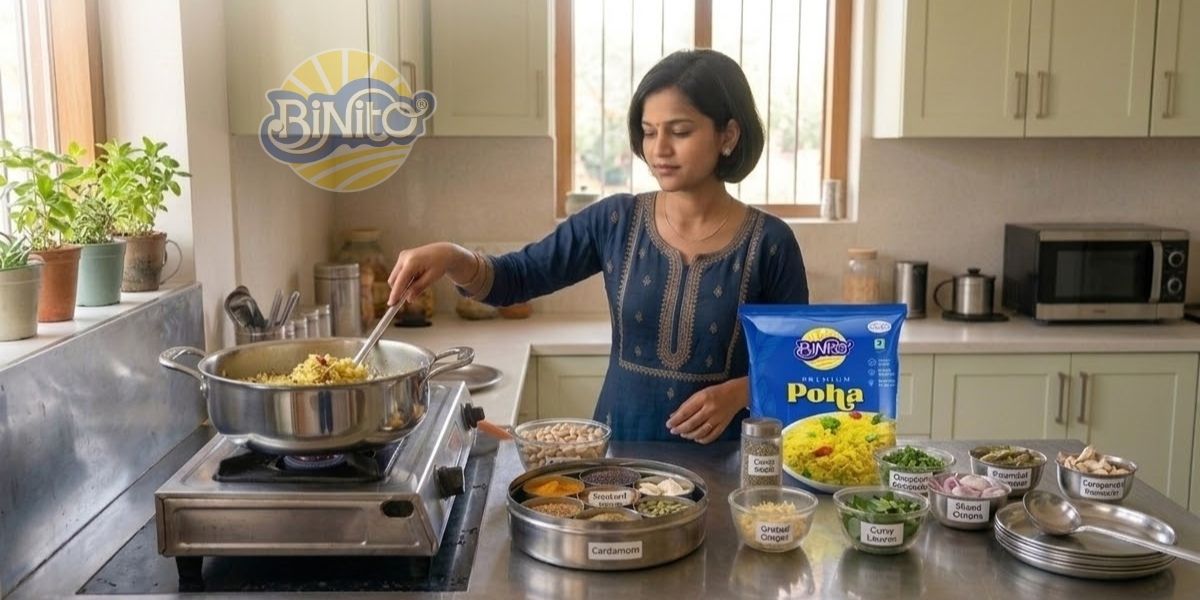
Some snacks emphasise roasted grains and pulses. Others use flattened rice, puffed grains, or spiced mixtures. Certain varieties include nuts, seeds, and lentil flours.
This variety allows individuals to choose snacks that suit their nutritional needs and taste preferences. A diverse diet also helps provide different vitamins and minerals.
Convenience for Modern Lifestyles
Today’s fast-paced routines require convenient food choices. However, convenience does not need to compromise nutrition. Many traditional snacks offer a practical solution.
They often have a longer shelf life when stored properly. Some varieties require no additional preparation. Others remain easy to carry during travel or work hours.
This practicality makes them suitable for busy professionals and students. Instead of relying on ultra-processed snacks, people can choose traditional options that offer both taste and nourishment.
Supporting a Balanced Snacking Habit
Healthy eating does not depend only on major meals. Small snacks also influence overall dietary quality. Choosing snacks made from natural ingredients can help maintain balance.
Traditional Indian snacks encourage this approach. Their ingredient combinations support satiety and provide useful nutrients. When consumed in moderation, they complement a well-structured diet.
They also demonstrate how traditional knowledge continues to guide modern health practices. Many recipes that originate in Indian households remain nutritionally relevant even today.
Traditional Indian snacks remain surprisingly compatible with modern dietary principles. They rely on natural ingredients, balanced nutrition, and mindful preparation methods. These characteristics align closely with current health awareness.
Their ability to provide sustained energy, diverse nutrients, and convenient portions makes them suitable for contemporary lifestyles.
At the same time, they preserve cultural heritage and culinary identity.
As people seek healthier alternatives to highly processed snacks, traditional Indian options continue to stand out.
They demonstrate that long-standing food traditions can still support modern nutritional goals.Those who wish to explore traditional snacks with a modern approach can look for thoughtfully prepared options that respect authentic ingredients and balanced nutrition. Binito Foods presents a range inspired by these timeless snack traditions, offering convenient choices that align with contemporary lifestyles while honouring India’s rich culinary heritage.