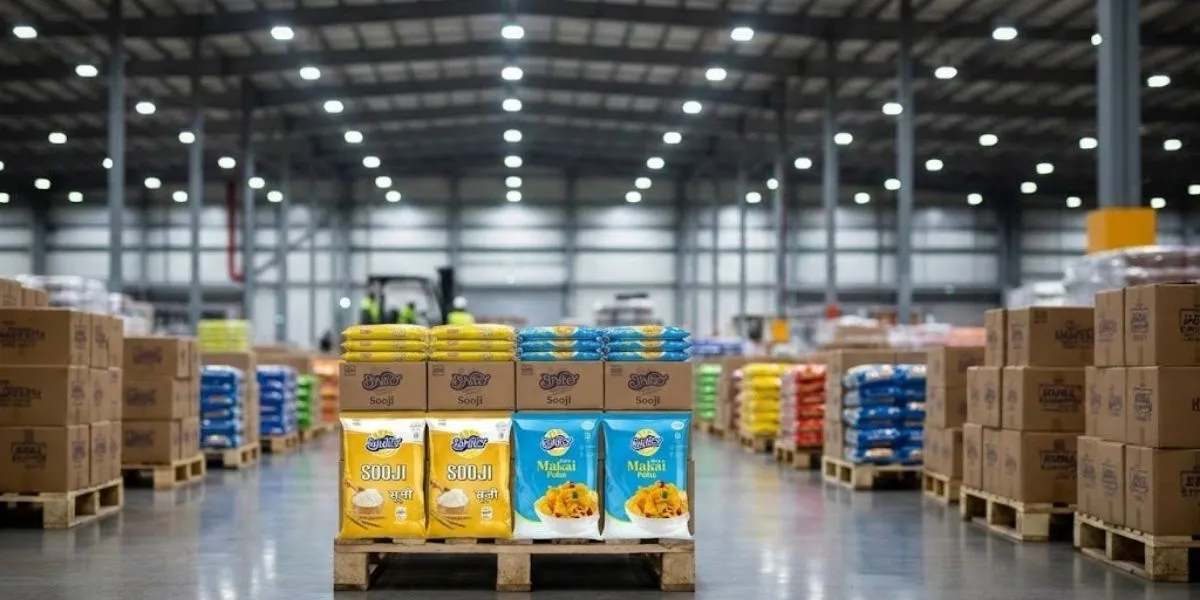
The FMCG market evolves rapidly and recognises products that offer consistent value to customers. Food manufacturers compete not only on taste, but also on consistency, availability, and trust. A product is successful when buyers choose it repeatedly and without hesitation. That consistent repeat purchase indicates significant movement in the FMCG market.
Customers today expect their everyday purchases to be convenient, high-quality, and reasonably priced. The FMCG market responds quickly to these expectations, making product performance easy to determine. When a food product meets daily demands while maintaining quality, it creates continuous growth. If it fails even slightly, customers will try alternatives.
When food categories become everyday consumption products, growth becomes rapid. Breakfast, snack, and simple meal products frequently become home staples. That’s why understanding what drives fast movement allows brands to create more effective offerings. The basis is always built with customer demand and execution.
Key Factors That Drive Success in the FMCG Market
Daily Necessity and Usage Frequency:-
Products that become a part of daily meals generally move more quickly. Many everyday consumption products, such as poha, rava, and atta, remain in high demand since families consume them on a regular basis. When consumption frequency increases, repeat purchase cycles decrease, making accurate grocery inventory planning essential for retailers.
Brands that focus on everyday products often show predictable movement. Customers do not overthink such purchases because they already trust the category. Routine purchases gain significance over time. This trend defines long-term success in the FMCG market.
Strong Product Demand in Food Categories:-
The FMCG market adapts quickly to demand visibility. When a food product meets an everyday need, it soon becomes one of the most popular FMCG products in its category. When taste, price, and consistency are effectively positioned, demand increases. A product must consistently meet customer expectations.
Customers rarely accept inconsistencies in their food. If texture, freshness, or flavour change regularly, they switch brands. Consistent quality builds habits. Habit promotes faster shelf movement.
Clear Positioning as Fast-Moving Food Products: –
Not every food product qualifies as a fast-moving food product. Some are occasionally purchased, while others become necessities. Essential supplies are in constant rotation because households consume them frequently. That rotation boosts market awareness and brand recall.
Brands that understand demand cycles can plan manufacturing accordingly. They ensure that the inventory is available across many locations. When availability matches demand, the sales flow is smooth, especially when supported by effective FMCG merchandising strategies.
Product Availability Across Channels: –
FMCG markets are significantly influenced by availability. Even effective products lose popularity when customers can’t find them readily. Distribution must ensure a consistent supply throughout retail and modern retail locations, supported by strong FMCG distribution network planning. Customers demand efficiency in both location and timing.
When a product is prominent on the shelf, it provides familiarity. Familiarity boosts buyer confidence. Continuous availability promotes more movement.
Quality Consistency in FMCG Food Products:-
Quality ensures long-term growth in FMCG food products. Customers immediately evaluate food based on its appearance, flavour, and cooking results. If the experience is consistent, trust develops naturally. Trust encourages repeat purchases.
The quality of food products is established by more than just their ingredients. Processing standards, packaging quality, and storage conditions are all factors that influence perception. When brands effectively handle these aspects, they boost product performance. Consistency transforms an everyday product into a reliable household choice.
Consumer Buying Behaviour and Brand Trust:-
The FMCG market is largely reliant on customer buying behaviour. Buyers like brands that reduce risk and provide predictable results. When people are secure in the quality and pricing, they avoid experimenting. That consistency promotes long-term brand trust.
Repeated positive experiences lead to increased trust. It does not develop overnight. Brands that maintain transparency and dependability improve their position among high-demand FMCG products. Strong trust develops frequent buyers into loyal customers.
Simple Pricing and Value Perception: –
Price sensitivity is still significant in the FMCG market. Customers evaluate options fast and select products that they believe are worth the price. A product doesn’t have to be the cheapest. It must justify its price with quality and consistency.
A clear perception of value increases movement speed. When customers believe they are receiving consistent quality, they quickly repurchase. That consistent purchasing behaviour indicates successful fast-moving food products.
The FMCG market recognises food products which provide daily usefulness, consistent quality, high availability, and clear value. Products that become a part of daily meals sell faster than occasional delights. When a brand prioritises consistency and trust among customers, it creates sustainable demand. Over time, these elements develop further into reliable high-demand FMCG products. Food categories based on staple ingredients frequently show this pattern clearly. Poha, rava, mamra, and wheat flour continue to perform well as long as quality is consistent and affordable. Brands with consistent processing standards and reliable supplies strengthen their market position. In this framework, companies such as Binito Foods help by providing staple FMCG food products that meet daily consumption needs while preserving constant quality.